

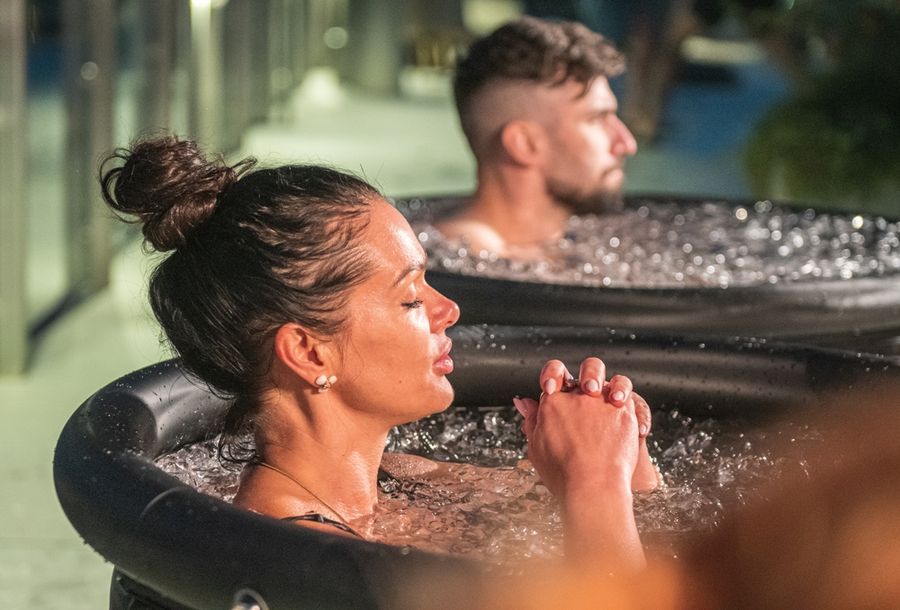
Cold plunging works best when it is treated like a planned routine, not a random challenge. The right tub can make that routine easier by helping you control the water, enter safely, and repeat sessions without constant setup. For many people, the best choice is not the coldest tub, but the one that fits their space, comfort level, cleaning needs, and recovery goals. A simple, steady setup is usually easier to keep using.
Why Structure Matters In Cold Plunging
A structured recovery routine starts with a clear reason. Some people use cold plunging after hard training, while others use it as a short reset after a long workday. Cold-water immersion may help reduce soreness after demanding exercise, but using it every day after training may not be ideal for long-term strength or performance gains.
Structure also means setting limits. A cold plunge should have a clear start, a short session, and a calm way to warm back up. The goal is not to prove toughness. It is to build a repeatable habit that feels safe, useful, and easy enough to follow.
Best Full-Size Option: The Plunge
The Plunge is a strong fit for people who want a full-size home tub with built-in cooling, filtration, and sanitation. Its standard cold plunge model is described with powerful cooling, advanced filtration, and sanitation features, and its basin is made to fit users up to 6 feet 8 inches tall.
This type of tub makes sense for a home gym, garage, patio, or wellness room where the unit can stay in one place. It is best for users who want fewer setup steps and do not want to add ice before each session. For a structured routine, that ready-to-use feel can make a big difference.
Best Upright Option: Ice Barrel 500
The Ice Barrel 500 is a better match for people who prefer a seated, upright plunge instead of lying back in a long tub. It is built for use with ice and is also chiller-ready, with ports that allow it to connect to a cold plunge chiller.
An upright design can also help people with limited floor space. It may feel more contained than a long tub, which some users prefer for short sessions. For a routine built around quick recovery blocks, this setup can be practical because it focuses on simple entry, seated use, and easy repeat sessions.
Best Setup For Consistent Temperature
A tub with a chiller is usually the better choice for people who want a repeatable routine. Ice can work, but it adds extra steps. You have to buy it, store it, pour it, wait for the water to cool, and guess how cold the water has become.
A chiller-based tub lets you plan sessions with less friction. This is useful if you want to plunge on specific days after workouts or at the same time each morning. Consistent setup helps turn cold plunging into a habit instead of another task you might skip.
Best Features For Clean Water
Clean water should be part of the buying decision. A cold plunge tub is not just a container; it is a small water-care system. Look for features such as filtration, sanitation, a cover, an easy drain, and parts that are simple to reach.
This matters even more if more than one person will use the tub. A clean setup helps the routine feel less stressful and more repeatable. If cleaning feels hard, the tub may sit unused. A good recovery tool should make care clear, not confusing.
Best Choice For Small Spaces
For smaller homes, apartments with outdoor access, or narrow patios, an upright tub can be easier to place than a long basin. The footprint matters because the tub also needs safe space around it. You should be able to enter, exit, dry off, and move around without feeling crowded.
Small-space users should also think about water changes and drainage before buying. A tub may fit the floor, but still be hard to manage if the drain location is awkward. The best compact choice is one that fits both the room and the full routine around it.
Safety Should Shape The Routine
Cold water places stress on the body, so safety should guide every plan. People with heart issues, blood pressure concerns, circulation problems, or other health risks should get medical guidance before starting. A plunge routine should also stop right away if it causes chest pain, faintness, severe shortness of breath, or confusion.
It is also smart to avoid plunging alone, especially at the beginning. Keep sessions short, step in slowly, and warm up in a calm way afterward. A cold plunge tub may support recovery, but it should never turn into a risky contest.
Building A Routine That Lasts
The best cold plunge tub is the one that removes barriers. For many users, The Plunge is a strong full-size choice because it is designed around cooling, filtering, and regular home use. For others, the Ice Barrel 500 may be the better fit because it offers an upright shape and a chiller-ready design.
Start with the routine before choosing the product. Decide where the tub will sit, how often you will use it, how you will clean it, and whether you want ice or a chiller. A good cold plunge setup should make recovery feel planned, simple, and safe enough to repeat.