

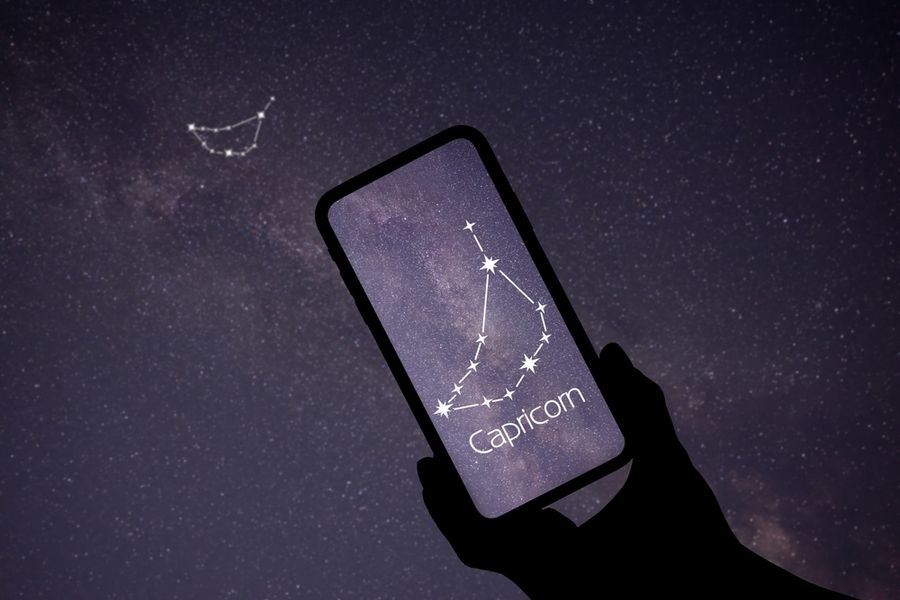
Learning the night sky can feel hard when every star looks the same at first. Stargazing apps make the process easier by turning your phone into a sky guide. You can point the screen upward, match what you see, and start learning names, patterns, and planet locations in real time. The best apps for beginners are simple enough for a backyard session but useful enough for deeper learning over time.
SkyView For Quick Point-And-Learn Sessions
SkyView is a strong choice for people who want a simple way to identify what is overhead. The app uses the phone camera to help users spot stars, constellations, planets, galaxies, and satellites in the sky.
This makes it useful for short evening sessions. You do not need to study a chart before going outside. You can open the app, move your phone across the sky, and connect bright objects with names. That quick feedback helps beginners build confidence.
Why SkyView Works Well For Families
SkyView can be a good fit for families, casual learners, and people who want a relaxed first step into astronomy. The visual style helps turn the sky into something easier to follow, especially when children or new learners are trying to match shapes.
It also helps when you only have a few minutes outside. Instead of planning a full stargazing night, you can use it to answer one question, such as which planet is bright tonight or where a common constellation is located.
Stellarium For A Deeper Sky Map
Stellarium is better for people who want a richer sky map. It can show a realistic view of the sky and helps users identify stars, constellations, planets, comets, satellites, and deep-sky objects.
This makes it useful once you want to move beyond the brightest stars. You can explore how the sky changes by time and location, which helps with planning. If you want to learn why different objects appear at different times, Stellarium gives you more room to grow.
When Stellarium Is The Better Choice
Stellarium is a good choice for learners who enjoy detail. It can be used for casual viewing, but it also supports more focused learning. You can look up objects, compare sky views, and better understand where things sit in relation to each other.
This kind of app works well before going outside. You can check what should be visible, choose a few objects to look for, and then use the app as a guide. That makes stargazing feel less random and more like a small lesson.
Star Walk 2 For Visual Learning
Star Walk 2 is a strong option for people who learn best through visuals. It helps users explore stars, planets, and constellations, and it includes tools for looking at the sky by date, time, and location.
This makes it useful for people who want the app to feel more like an interactive guide. You can use it to see what is above you now or to plan a future viewing session. That is helpful for learning events, seasonal changes, and the movement of sky objects.
Why Star Walk 2 Can Keep Beginners Engaged
A good stargazing app should not only identify objects. It should also make you want to keep looking. Star Walk 2’s visual approach can help beginners stay interested because the sky map feels active and easy to explore.
This can be useful for people who are new to astronomy and do not yet know what they enjoy most. You might start with constellations, then become curious about planets, satellites, or meteor showers. A visual app can support that natural curiosity.
How To Choose The Right App
The best app depends on your learning style. Choose SkyView if you want fast answers and a simple point-and-learn tool. Choose Stellarium if you want more detail and a stronger sky map for ongoing learning. Choose Star Walk 2 if you want a visual, guided feel.
It can also help to try one app for a full week instead of switching every night. Use the same app to track the Moon, find one planet, and learn two constellations. Repeating small tasks helps the sky feel more familiar.
A Simple Way To Learn The Sky
The best stargazing app is the one that gets you outside more often. SkyView, Stellarium, and Star Walk 2 can each help turn a confusing sky into something easier to understand. They give names to bright points, show patterns, and make the night feel less distant.
Start with one app and one clear goal. Find the Moon, identify a planet, or learn one constellation. Small wins can build a lasting habit. Over time, the night sky becomes less like a mystery and more like a map you know how to read.